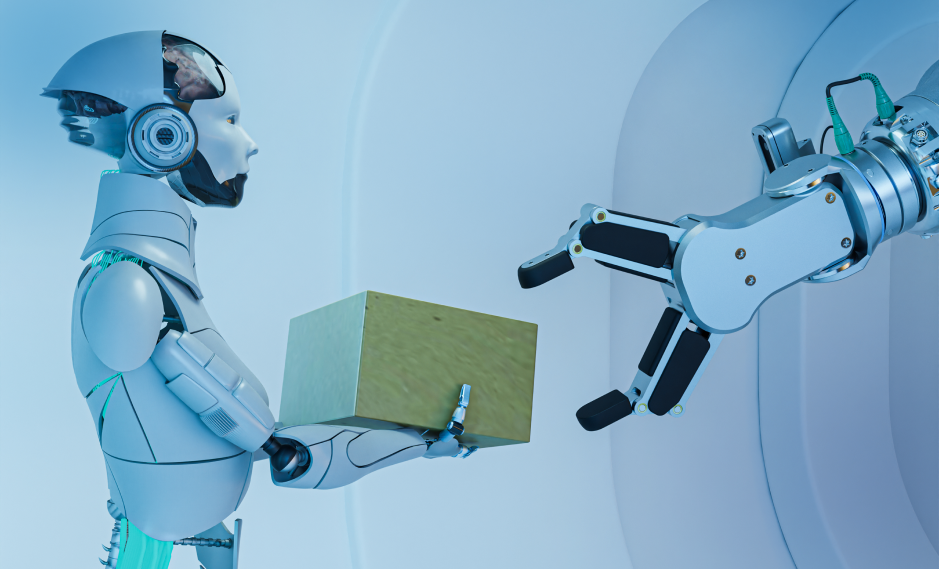
AI and Automation: The Future of Efficient and Inclusive Public Services
Introduction
Artificial Intelligence (AI) and automation are no longer confined to the private sector—they’re transforming public services, making them more efficient, accessible, and inclusive. From automating administrative tasks to delivering personalized citizen services, AI is revolutionizing how governments operate. In this blog, we’ll explore how AI and automation are reshaping public services and what the future holds.
1. The Role of AI in Public Services
AI refers to machines that can perform tasks typically requiring human intelligence, such as decision-making and problem-solving. In public services, AI is being used to automate processes, analyze data, and improve service delivery.
2. Key Applications of AI and Automation
- Administrative Automation: AI-powered chatbots and virtual assistants handle routine inquiries, freeing up human resources for more complex tasks. For example, citizens can use chatbots to apply for permits, pay bills, or check the status of applications.
- Predictive Analytics: AI analyzes data to predict trends and identify potential issues. For instance, predictive analytics can help governments anticipate demand for public services, such as healthcare or housing.
- Fraud Detection: AI algorithms detect anomalies in financial transactions, helping governments prevent fraud and save taxpayer money.
- Personalized Services: AI enables governments to deliver tailored services based on individual needs. For example, AI can recommend job training programs or social services based on a citizen’s profile.
3. Benefits of AI and Automation in Public Services
- Efficiency: Automation reduces manual effort and speeds up processes, enabling governments to serve citizens faster.
- Cost Savings: By automating repetitive tasks and preventing fraud, governments can reduce operational costs.
- Accessibility: Digital platforms and AI-powered tools make public services accessible to all citizens, including those in remote areas.
- Inclusivity: AI can help identify and address disparities in service delivery, ensuring that no one is left behind.
4. Challenges and Solutions
- Job Displacement: Automation may lead to job losses in certain sectors.
Solution: Governments can invest in reskilling and upskilling programs to prepare workers for new roles. - Bias in AI: AI systems can perpetuate biases if not properly designed.
Solution: Ensure diverse datasets and regular audits of AI algorithms. - Data Privacy: Protecting citizen data is critical.
Solution: Implement robust cybersecurity measures and comply with data protection regulations.
5. Real-World Examples
- Estonia: The country uses AI to automate administrative tasks, such as tax filing and business registration, making it one of the most digitally advanced governments in the world.
- United States: The city of Los Angeles uses an AI-powered chatbot to answer citizen queries and provide information on public services.
6. The Future of AI in Public Services
- AI-Driven Governance: Governments will use AI to make data-driven decisions and improve policy outcomes.
- Citizen Engagement: AI will enable more interactive and personalized communication between governments and citizens.
- Ethical AI: As AI becomes more prevalent, ensuring its ethical use will be a top priority. Governments will need to establish guidelines and frameworks to govern AI deployment.
7. How Touchcorp Can Help
At Touchcorp, we specialize in helping governments harness the power of AI and automation to deliver efficient, inclusive, and citizen-centric public services. From implementing AI-powered chatbots to developing predictive analytics models, we provide end-to-end solutions tailored to your needs.
Conclusion
AI and automation are transforming public services, making them more efficient, accessible, and inclusive. By embracing these technologies, governments can improve service delivery, reduce costs, and build trust with citizens. Ready to revolutionize your public services? Contact Touchcorp today to learn more.